

Questions to Ask Before Hiring a Moving Company
What to Know Before Choosing the Right Moving Company Hiring a moving company involves more than finding someone with a truck and an available date....
7 min read
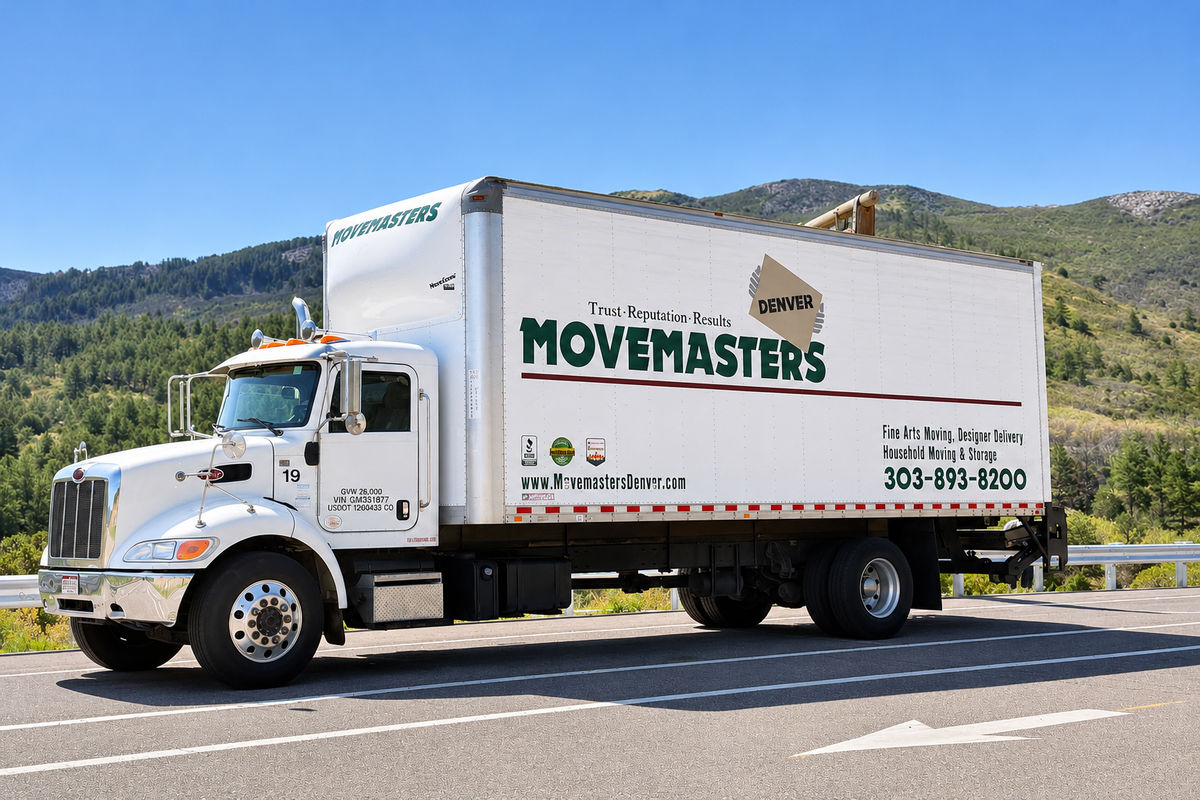
Hiring a moving company involves more than finding someone with a truck and an available date. You're trusting a team to handle your belongings, protect your home, and complete the move as efficiently as possible.
But how do you know which company to choose?
A low estimate might look appealing, but it doesn't always tell the whole story. Understanding how a company operates, what its pricing includes, and who will actually handle your move can help you avoid unexpected costs and unnecessary frustration.
Movemasters has served Denver and Colorado communities since 1981. Over the years, our team has seen how asking the right questions can make a significant difference in the moving experience.
Here are the most important things to consider before hiring a moving company.
Before requesting an estimate, spend a little time learning about the company.
Start with its website, business history, services, and customer reviews. Look for a legitimate business address, reliable contact information, and experience with the type of move you're planning.
Reviews can be particularly helpful, but don't focus only on the overall star rating.
Consider how recently customers have left reviews and whether certain themes appear repeatedly. Do customers mention punctuality, professionalism, careful handling of furniture, and transparent pricing?
Pay attention to negative reviews, too. A company's response to a complaint can tell you a lot about how it handles problems.
Local experience also matters. A company familiar with Denver may be better prepared for parking restrictions, difficult building access, elevator reservations, and other challenges that can affect moving day.
The takeaway: Look for consistent evidence of reliability rather than making a decision based on a single review or advertised price.
One of the most important questions to ask is whether the company has the appropriate credentials for your move.
In Colorado, household goods movers operating within the state must have the required permit through the Colorado Public Utilities Commission (PUC).
Companies performing interstate moves must meet applicable federal requirements regulated by the Federal Motor Carrier Safety Administration (FMCSA).
A legitimate moving company should be able to provide its licensing information, USDOT number, and proof of insurance upon request.
For reference, Movemasters operates under:
Customers can use the FMCSA and Colorado PUC to research moving company credentials. The Better Business Bureau can also provide information about complaints and how businesses respond to them.
It's equally important to ask what protection is available if something is damaged.
Movemasters provides standard released-value protection of $0.60 per pound per article at no additional charge. Additional declared valuation is available at $250 per $10,000 of coverage, with a $10,000 minimum.
Before booking, ask for the coverage terms in writing and make sure you understand the limitations.
Moving companies don't all charge the same way.
Some use hourly rates, while others calculate pricing based on distance, shipment weight, or a flat-rate estimate.
When comparing companies, look beyond the advertised hourly rate and ask what the final cost could include.
Important questions include:
At Movemasters, local moves are billed in 15-minute increments, with no minimum hourly requirement or deposit. Travel time is billed from when the crew leaves the shop until it returns, and fuel is a separate, predetermined charge based on travel distance.
For a closer look at pricing and what to expect, read our guide to how much movers cost in Denver.
A company advertising a lower hourly rate may ultimately cost more if it requires a lengthy minimum or adds charges that weren't clearly explained.
One Movemasters customer experienced this firsthand.
She had scheduled a move from Arvada to Castle Rock that required five movers and two trucks. Unfortunately, her original moving company arrived with only three movers and one truck, explaining that it had overbooked.
The crew warned that anything that didn't fit would require a second trip, potentially adding approximately two hours of driving time and additional labor costs.
The customer stopped the move and contacted Movemasters.
Our team rearranged its schedule and completed the move the following day with five movers and two properly equipped trucks. The move was finished in less time than originally estimated.
The lesson is simple: Ask how the company determines the number of movers and trucks needed, and confirm those resources will be available on moving day.
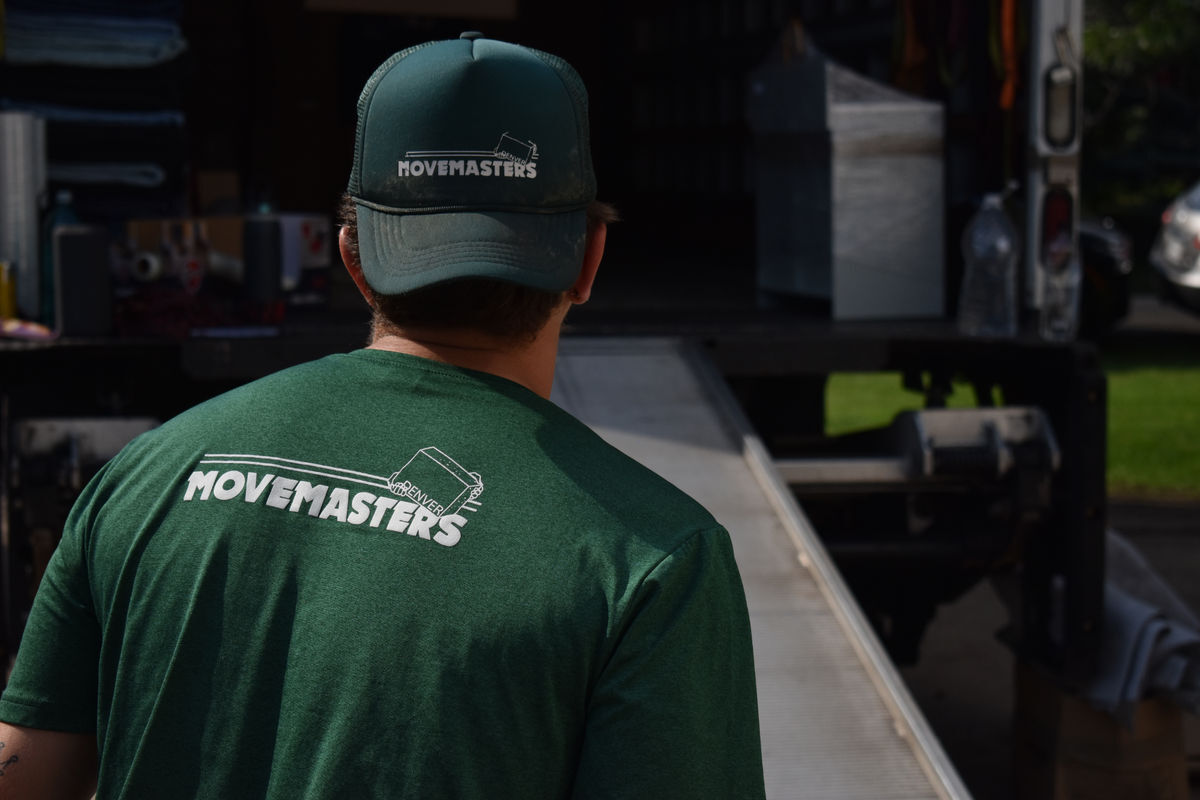
A reliable estimate starts with understanding what's actually being moved.
The company should ask detailed questions about your belongings, the properties involved, and any potential challenges.
A thorough estimate should account for the number of movers and trucks, anticipated labor hours, travel time, fuel charges, and any additional services or materials.
It should also consider factors such as stairs, elevators, long carrying distances, oversized furniture, and parking restrictions.
For example, two homes with the same number of bedrooms may require very different moving plans.
One might contain minimal furniture with easy truck access. The other could include heavy furniture, narrow staircases, and a long walk from the loading area.
Those differences affect both the time required and the final cost.
Ideally, yes.
At Movemasters, many residential moves can be estimated through a 10–15-minute FaceTime or Zoom walkthrough.
For larger homes, commercial relocations, interstate moves, or moves involving specialty items, an on-site estimate may be more appropriate.
The goal is to understand the full scope of the move before assigning a crew and providing a quote.
Be cautious of companies that offer a firm estimate without asking meaningful questions or reviewing your belongings.
The company providing your estimate isn't always the company that will physically move your belongings.
Some businesses operate as moving brokers, arranging transportation through other carriers. Other companies use subcontractors or different crews for various stages of the move.
That doesn't automatically mean the service will be poor, but you should understand who is responsible for your belongings.
Ask whether the company uses its own employees, how its crews are trained, and who will supervise the move.
For interstate relocations, it's especially important to ask whether your belongings will be transferred between trucks, warehouses, or different carriers.
For interstate moves, Movemasters uses company-owned trucks and our own full-time Movemasters crews, never subcontracted movers or third-party carriers. The same dedicated Movemasters crew handles loading, transportation, and unloading from start to finish, ensuring your belongings remain in our care while providing consistent communication and accountability throughout the entire moving process.
Before booking, make sure you know who your primary point of contact will be and who handles concerns if something unexpected happens.
Professional movers should be able to explain how they protect furniture, fragile belongings, and the properties they're working in.
Ask what equipment and protective materials the crew will bring and whether those materials are included in the estimate.
Movemasters uses moving blankets, shrink wrap, dollies, moving straps, and other equipment to safely handle and secure belongings.
Depending on the property, additional protection may be needed for floors, doorways, railings, and elevators.
Specialty items deserve extra attention.
If you're moving artwork, antiques, marble furniture, a piano, or unusually heavy equipment, discuss those items during the estimate.
Certain pieces may require specialized equipment, custom crating, or coordination with a third-party specialist.
Don't wait until moving day to mention valuable or difficult-to-move belongings. Early communication allows the moving company to plan properly and arrive prepared.
Even with careful planning, unexpected situations can happen.
An item could be damaged, access to a property could be delayed, or the move could require additional resources.
Before hiring a company, ask how it handles these situations.
A reputable mover should explain its claims process, coverage options, and responsibilities in straightforward terms.
Find out how to report damage, what documentation is needed, and who will communicate with you while the issue is being reviewed.
The same expectations should apply to scheduling problems or changes during the move.
Customers deserve timely updates and clear explanations of any additional costs.
If a company avoids questions about damages, insurance, or its responsibilities, consider that a warning sign.
Some warning signs become apparent before a company ever arrives at your home.
Be cautious of unusually low estimates, large upfront deposits, unclear fees, and companies that refuse to provide a written quote.
Poor communication is another concern. If a company repeatedly avoids answering questions before booking, that may indicate what you can expect on moving day.
One Movemasters customer shared a similar experience in a Google review.
Caitlin Dunlay had originally booked another moving company but canceled after becoming uncomfortable with its pricing. With only three days before her move, she contacted Movemasters.
She appreciated receiving a straightforward explanation of the hourly rate and fuel charge, without a complicated list of fees or a required booking deposit.
Her experience highlights something important: You should feel comfortable asking questions and understanding exactly what you're agreeing to.
Other warning signs include difficulty verifying licensing, unclear information about who will perform the move, and pressure to book immediately.
Perhaps the biggest red flag is a company that provides an estimate without properly evaluating the job.
An accurate moving plan requires more than guessing based on square footage or the number of bedrooms.
If you're comparing moving companies, these five questions are a great place to start:
One additional question customers often overlook is, "What can I do before moving day to help your crew work more efficiently?"
A knowledgeable moving company should be happy to explain how packing, labeling, parking arrangements, and other preparations can save time.
Price matters, but it shouldn't be the only factor when choosing a moving company.
An accurate estimate, experienced crew, clear communication, and proper preparation can make a significant difference in the overall moving experience.
The best moving company for your needs should be willing to answer questions, explain its recommendations, and help you understand what to expect before moving day.
At Movemasters, we believe customers deserve straightforward information and a moving plan built around their needs.
Whether you're planning a local Denver move, relocating across Colorado, or moving out of state, we're happy to help you explore your options.
What to Know Before Choosing the Right Moving Company Hiring a moving company involves more than finding someone with a truck and an available date....
What to Expect When Hiring Professional Movers on Moving Day Moving day is exciting, but it can also bring plenty of questions. When will the movers...

What to Expect When Moving Into a Denver High-Rise