

What Happens on Moving Day? A Step-by-Step Guide
What to Expect When Hiring Professional Movers on Moving Day Moving day is exciting, but it can also bring plenty of questions. When will the movers...
7 min read
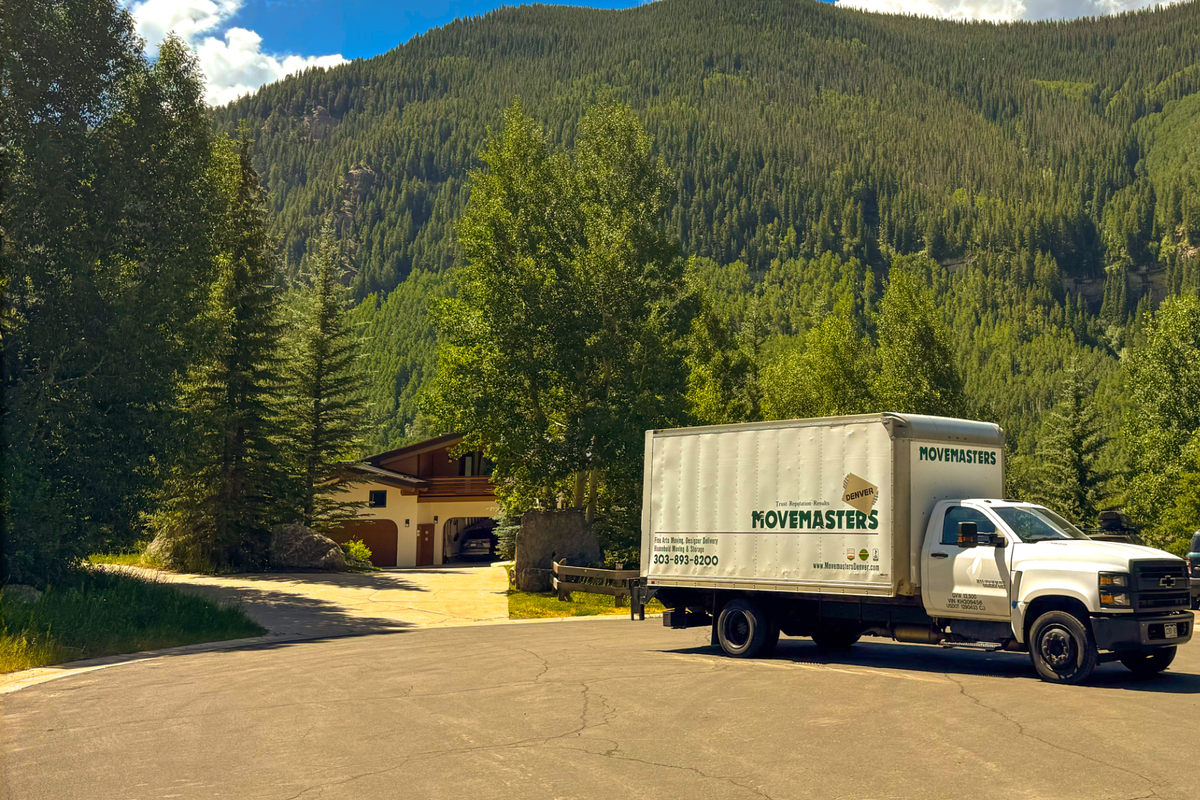
Moving day is exciting, but it can also bring plenty of questions. When will the movers arrive? What happens before loading begins? Should you stay home while the crew works? And what should you expect once everything reaches your new place?
Knowing how the process works can make moving day feel much more manageable.
Since 1981, Movemasters has helped homeowners and businesses throughout Denver and Colorado with moves of all sizes. While every move is different, the general process follows a familiar sequence, from preparing your home for the crew's arrival to completing the final walkthrough at your new place.
Here's what to expect on moving day and how you can help everything run smoothly.
A successful moving day starts before the truck pulls up. Taking care of a few details ahead of time can help the crew work efficiently and prevent unnecessary delays.
Start with packing and organization. Unless you've arranged packing services, boxes should be packed, sealed, and clearly labeled before the movers arrive. Label each box with its destination room and a brief description of the contents.
It's also helpful to:
During Colorado winters, make sure sidewalks, stairs, and driveways are clear of snow and ice.
Some belongings are better transported personally rather than loaded onto the moving truck.
Keep keys, wallets, medications, important documents, jewelry, chargers, and other everyday essentials somewhere easily accessible.
Movemasters also cannot transport certain items, including propane tanks, firearms, ammunition, and gasoline-powered equipment unless the fuel has been completely drained.
One important tip: Let Movemasters know about significant changes before moving day. Additional furniture, boxes, or access restrictions can affect the crew size, equipment, and time needed to complete your move.
Moving day begins with a call from your moving crew.
At Movemasters, crews typically depart our shop at 8:00 a.m. and call customers when they're on their way, providing an estimated arrival time.
Once they arrive, the movers introduce themselves and begin with a walkthrough of the home.
During this walkthrough, the crew lead and the team review:
This gives the crew an opportunity to assess the space, identify potential challenges, and determine the best approach for loading the truck.
This is also a great opportunity to ask questions or communicate special instructions.

The crew lead serves as the primary point of contact throughout the move.
If you have questions about furniture handling, loading, access, or unexpected changes, communicate directly with the crew lead. The rest of the team is also happy to answer questions and assist as needed.
Clear communication early in the day can prevent confusion later.
Before furniture is loaded, the crew takes steps to protect belongings and surrounding surfaces.
Movemasters uses moving blankets and shrink wrap to help prevent scratches and damage during handling and transportation. Televisions must be packed in appropriately sized TV boxes to protect their screens and prevent damage during transportation.
Depending on the layout of the home, the crew may also drape moving blankets around doorframes, railings, stair landings, and other areas where furniture needs to be maneuvered carefully.
Carpet protection is available upon request for an additional charge.
Some belongings require extra care and preparation.
Artwork, mirrors, glass tabletops, antiques, and designer furniture may require additional wrapping, specialized boxes, or other protective materials.
For example, framed artwork with glass can be wrapped in moving blankets, while delicate canvas paintings may require protective art paper and specialty art boxes.
Certain valuable or unusually shaped pieces may need custom crating arranged through a third-party service.
We recommend identifying any specialty items during your estimate so the proper materials and services can be arranged ahead of moving day.
Movemasters crews arrive with tools to disassemble furniture when necessary, including bed frames, tables, and other large pieces.
Furniture disassembled by the Movemasters crew will also be reassembled at the destination.
However, if a customer or another party disassembled an item beforehand, the crew typically cannot reassemble it because they were not involved in the original disassembly and cannot verify how the furniture was taken apart.
Once belongings are protected, the crew begins loading the truck.
Professional loading involves more than simply finding space. Items need to be arranged to protect fragile belongings, make efficient use of the truck, and support an organized unloading process.
At Movemasters, the crew lead develops a loading plan based on the size, weight, and fragility of the items being moved.
Sturdy boxes and base items generally go toward the front of the truck, followed by larger furniture.
Fragile pieces such as artwork, boxed televisions, and tabletops are carefully secured in designated areas.
Area rugs are often loaded last so they can be placed in their designated rooms before furniture is brought inside.
The exact order varies depending on the move, especially when multiple destinations or storage stops are involved.
You don't need to direct every step of the process, but it's helpful to remain available to answer questions as they arise.
The crew may need clarification about certain belongings, furniture placement, or items that should stay behind.
Some of the most common causes of delays include unfinished packing, additional items not included in the estimate, limited truck parking, and unexpected elevator restrictions.
Once loading is complete, the crew lead will conduct a final walkthrough with you to make sure nothing has been overlooked.
Before leaving, the team will also confirm the destination address and any special unloading instructions.
After loading, the crew heads towards your new home.
Whenever possible, Movemasters recommends arriving at your new home before the moving truck.
This gives you time to unlock doors, arrange parking, confirm elevator access, and make sure the property is ready for unloading.
For longer moving days, the crew may take a lunch break after loading is complete. Customers are not charged for the crew's lunch break because that time is off the clock.
Planning ahead for access at both properties can help prevent unnecessary waiting.
When the crew arrives at your new home, unloading doesn't begin immediately.
First, the crew will walk through the property with you to understand the layout and determine where furniture and boxes should go.
This helps avoid moving heavy items multiple times.
Area rugs are typically positioned first, followed by furniture and boxes.
During unloading, Movemasters typically handles:
Clear box labels make a noticeable difference during this stage.
For example, a box labeled "Living Room – TV Remotes and Cords" tells the crew exactly where it belongs while helping you locate important items when unpacking.
Being available to direct the crew on furniture placement during unloading can also help keep the process organized and efficient.
Once everything has been unloaded, the crew lead completes a final walkthrough with you.
This is your opportunity to confirm that furniture and boxes are in the correct rooms, request any final adjustments, and ask questions before the crew leaves.
The movers also inspect the truck to ensure no belongings were accidentally left behind.
For local moves, Movemasters charges from the time the crew departs our shop until the crew returns after completing the move.
This includes travel, loading, transportation between locations, unloading, and the return trip.
Movemasters bills in 15-minute increments, with no minimum hourly requirement.
The original estimate is based on the anticipated time needed to complete the move. The final bill reflects the actual moving time, along with applicable charges for materials or additional services.
Factors such as additional furniture not included in the estimate, difficult access, or additional stops may affect the total cost.
Payment is arranged at the completion of the move, with the final total accounting for the crew's return travel time. Checks and debit cards are accepted without additional processing fees.
For more information about pricing, read our guide to how much movers cost in Denver.
Even a well-planned move can encounter surprises.
A delayed home closing, unavailable elevator, unexpected building restriction, or change in delivery instructions can affect the schedule.
When these situations arise, communication becomes especially important.
The Movemasters crew lead and office staff work with customers to review available options and explain any changes to timing or cost.
For example, if keys to the new home aren't available, the team may be able to adjust the unloading schedule, temporarily hold belongings on the truck, or arrange storage depending on availability and the circumstances. Additional charges may apply.
Colorado weather can also create challenges, particularly during winter or mountain moves. Monitoring road conditions and communicating potential access issues ahead of time helps everyone prepare.
Moving time depends on the size of the home, the amount of furniture and boxes, travel distance, crew size, and property access. Stairs, elevators, parking, and unexpected changes can also affect the schedule.\
It's helpful to remain available throughout the move, especially during the initial walkthrough, loading, and final furniture placement. The crew may need to ask questions or confirm instructions.
Unfinished packing can slow down the loading process and increase the time needed to complete the move. If you anticipate needing help, discuss packing services with Movemasters before moving day.
Prepare your belongings, label boxes, arrange parking and building access, and communicate any changes ahead of time.
The more information the moving team has before arriving, the better prepared they'll be.
Understanding what to expect on moving day can help you feel prepared and keep the process running smoothly.
From the initial walkthrough and furniture protection to loading, unloading, and final setup, every stage benefits from good planning and communication.
For the Movemasters team, one piece of advice stands above the rest: Keep your moving company informed.
Sharing changes, asking questions, and preparing your home ahead of time helps the crew arrive with the right people, equipment, and expectations.
Whether you're moving across Denver or planning a longer-distance relocation, Movemasters is here to help make your moving day as smooth and stress-free as possible!
What to Expect When Hiring Professional Movers on Moving Day Moving day is exciting, but it can also bring plenty of questions. When will the movers...

What to Expect When Moving Into a Denver High-Rise
Local vs. National Moving Companies: Which Is Better? Choosing a moving company is about more than finding someone with a truck and an available...